
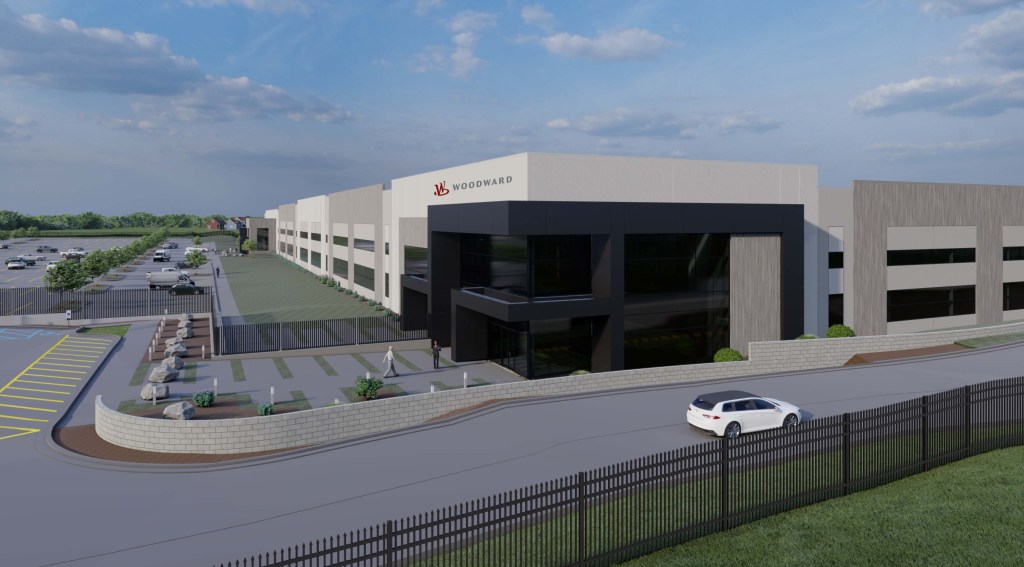
Woodward Spartanburg Campus Fact Sheet
The new Woodward Spartanburg site is a flexible, 300,000-square-foot manufacturing facility that will support growth in commercial aerospace and advanced hydraulic control products. Designed to adapt to changing production needs, the primarily one-story facility includes a two-story office area and allows for future expansion to the south.
The New Facility At A Glance
300,000
square feet
Up to 275
team members when fully staffed
2027
manufacturing begins
What Will Be Produced Here
The plant will produce the Airbus A350 spoiler as well as several products that focus on flight surface controls for aircraft.
A350 Airbus Spoiler
Drawing on decades of experience producing primary flight controls for military and defense applications, Woodward is entering the commercial aerospace market with the A350 spoiler, its first commercial primary flight-control program.
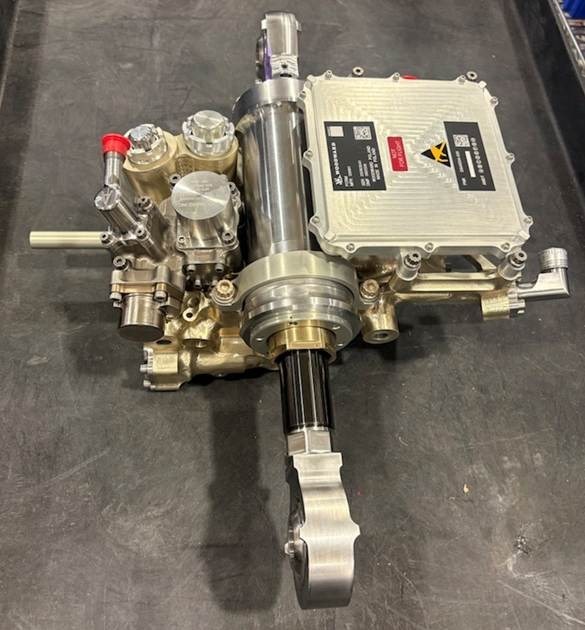
The program builds on proven technologies, processes and capabilities developed through Woodward’s long history supporting military and defense platforms. It also serves as an important proving ground for the capabilities needed to instill customer confidence and position Woodward to earn a significant share of work on future next-generation single-aisle aircraft programs.
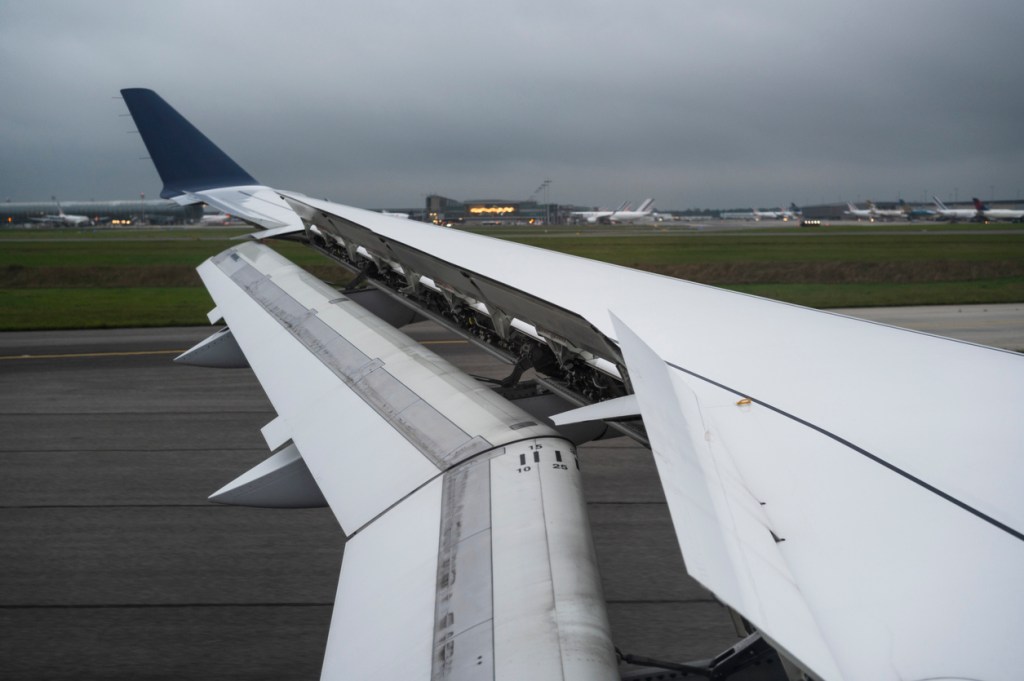
Each A350 has 14 spoilers, seven on each wing. Woodward is supplying the actuators for 12 of them, six on each wing. When deployed, the spoilers rise into the airflow over the wing. This adds drag and reduces lift, slowing the aircraft and helping it brake after landing. Woodward’s actuator moves these aircraft spoilers.
The spoiler includes a manifold, piston and cylinder, flight control remote module, servo valve, and several other valves. The A350 spoiler is also the first commercial part Woodward has built for a 5,000-psi hydraulic system. Most commercial aircraft operate their hydraulics at 3,000 psi. The higher pressure on the A350 allows engineers to use smaller, lighter components, but every part must be designed to withstand the increased pressure.
The program is a key part of Woodward’s growth strategy and a gateway to primary flight control actuation for the next generation of single-aisle aircraft. It demonstrates Woodward’s ability to design, build, and deliver commercial flight-control hardware directly to Airbus.
Advanced Manufacturing and Automation
Spartanburg will feature Woodward’s most advanced manufacturing capabilities. By bringing more production and supply-chain activities in-house, the facility will give Woodward greater control over quality, consistency and delivery. A350 manufacturing at the site will be highly automated, with robotic material movers integrated with automated manufacturing equipment and automated assembly and test equipment.
Site Timeline and Production Milestones
Main building substantially completed; capital equipment installation begins.
Worksite preparation and workstation setup.
Certificate of occupancy planned; team member move-in begins.
Machine testing and verification starts.
First qualification unit targeted.
Certification slated.
Production planned.
The team is already working toward its first qualification unit. A qualification unit is a production-representative piece of hardware that undergoes an extensive test program lasting more than 12 months in this case, to verify that it meets or exceeds all applicable performance requirements.
About Woodward
Woodward is a global leader in the design, manufacture and service of energy conversion and control solutions for aerospace and industrial equipment. Our purpose is to design and deliver energy control solutions our partners count on to power a clean future.
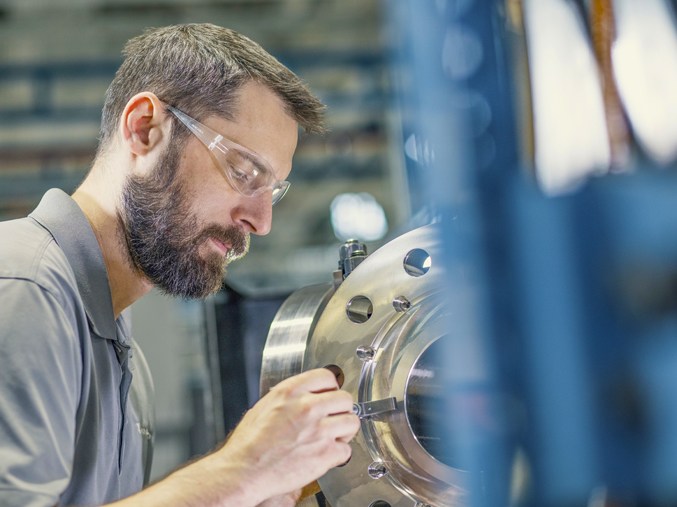
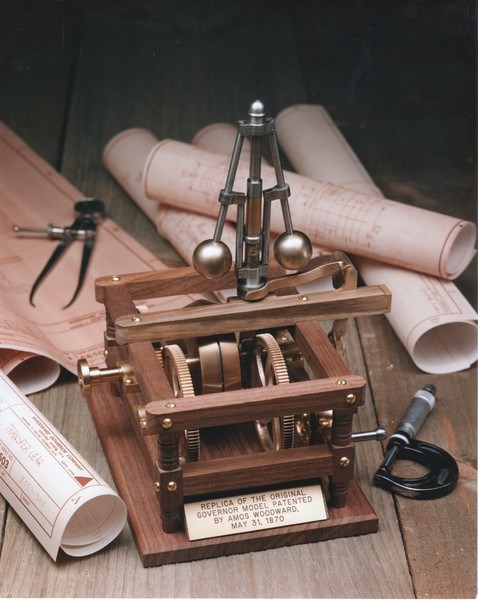
Our company was founded in 1870, with a focus on a breakthrough energy system of the time: waterwheels.
The Woodward Governor, invented by company founder Amos Woodward, was vital to some of the biggest infrastructure projects of that era.
Today, our teams around the globe continue to tackle some of the biggest challenges faced by our customers and the world, from high-performing, low-carbon flight, to preparing industries for the transition to renewable energy.